
FCC Certification Services
FCC testing, certification and labeling support for radio and wireless products entering the U.S. market.
Market Access for the USA
FCC Authorization for Radio and Telecom Products
For radio and telecom products entering the U.S. market, the applicable FCC requirements depend on the product’s functions and intended use. Most Part 15 transmitters require certification, while many digital devices can use the Supplier’s Declaration of Conformity (SDoC).
We help you identify the applicable authorization route and plan the testing and documentation for your product.
FCC Equipment Authorization Requirements
Radio frequency devices generally need to meet the applicable FCC equipment authorization requirements before they can be marketed in the United States. Part 2, Subpart J of Title 47 sets out the authorization procedures. Part 15 sets technical requirements for many devices that operate without an individual license. Other parts cover specific radio services, such as cellular.
A connected product, for example, may need to meet requirements for both its Wi-Fi transmitter and its digital circuitry. Those functions can follow different authorization procedures. See our guide to FCC requirements for details on device categories, testing and labeling.
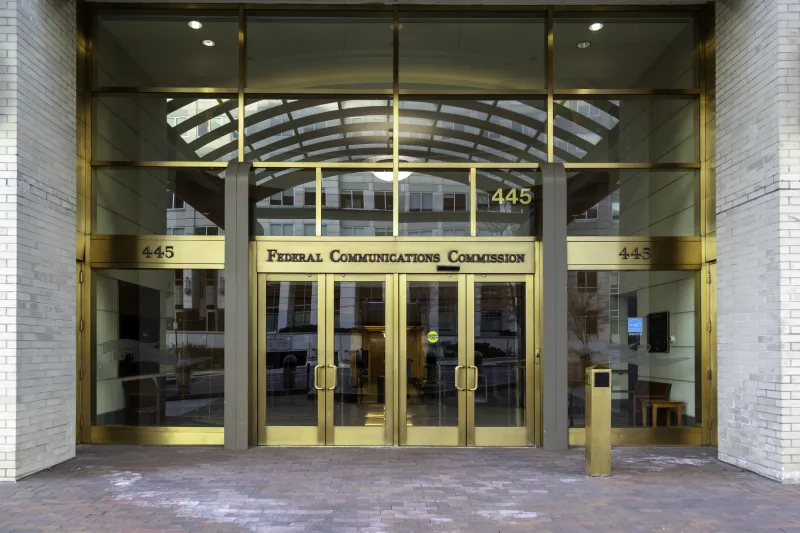
Federal Communications Commission (FCC)
The Federal Communications Commission (FCC) regulates radio communications in the United States. It sets equipment authorization rules and oversees the bodies that certify devices.
FCC Certification or SDoC
Certification goes through an FCC-recognized Telecommunication Certification Body (TCB). For devices eligible for a Supplier’s Declaration of Conformity (SDoC), the responsible party demonstrates compliance. The applicable rules determine the route for each device function.
FCC Certification
Most Part 15 transmitters, such as Wi-Fi and Bluetooth radios, require certification. A TCB reviews the test results and application.
Supplier’s Declaration of Conformity (SDoC)
Many digital devices qualify for SDoC. A U.S.-based responsible party demonstrates compliance and provides the required compliance information.
Equipment Authorization
FCC Certification Process
Knowledge Base
FCC Certification & Regulatory Framework
Explore detailed modules on the FCC equipment authorization framework, RF exposure requirements, modular approval, and post-approval compliance obligations.
Our Services
During development, we help you define the test scope for your product. Pre-compliance testing can flag issues before formal testing. As you prepare for authorization, we can help with application documentation and FCC labeling.
We coordinate the testing and certification steps that apply to your FCC project. Our subsidiaries support that work within their respective recognized scopes. IBL-Lab GmbH performs FCC compliance testing and provides the test report. KL-Certification GmbH, an FCC-recognized Telecommunication Certification Body (TCB), reviews the application independently and issues a grant when the applicable requirements are met.
Do you need Assistance?
Get in touch with our Type Approval specialist for the US:
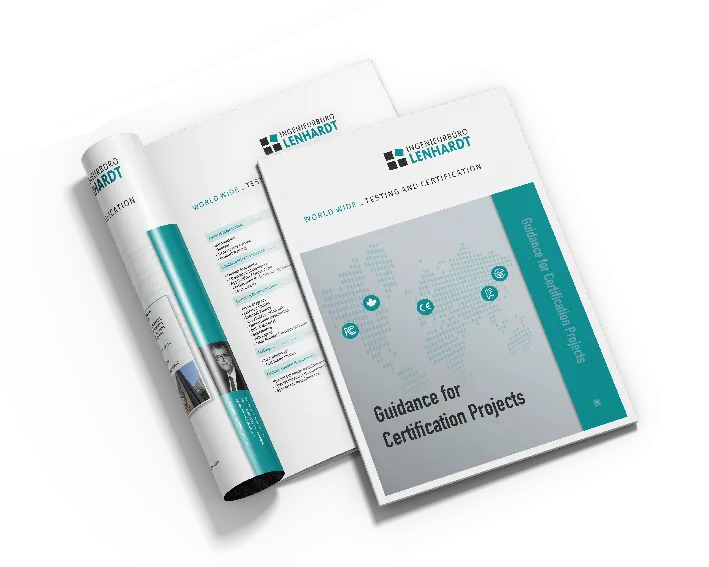
Certification Whitepaper
A Guide to Product Certification
The whitepaper explains FCC certification for the U.S. market and the documentation typically needed for a certification project. It also outlines requirements for Europe and Japan.
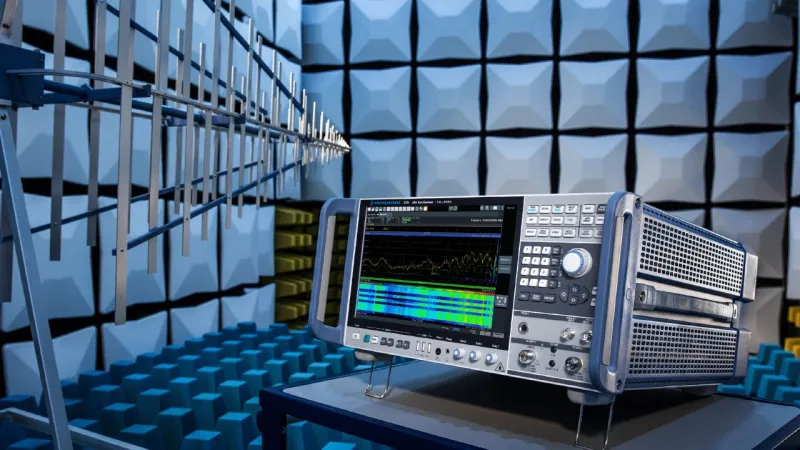
Testing and Certification Services
Compliance Testing and Product Certification
IBL-Lab GmbH is accredited to DIN EN ISO/IEC 17025 and performs FCC compliance testing within its recognized scope. See our accreditations for details.
We also support products for industrial environments and provide services for CE marking in the EU, Canadian ISED and Japanese MIC certifications.
Radio Frequencies
Measure radio performance and emissions.
Electromagnetic Compatibility
Assess emissions and immunity.
Environmental Simulation
Evaluate device performance under environmental stress.
Electrical Safety
Assess your product against applicable electrical safety requirements.
Let's get in Touch
The experts at IB-Lenhardt AG and IBL-Lab GmbH are always there for you. Just contact us!Automotive Radar Testing
Global Homologation Services
Explore our automotive radio and radar test solutions for driver assistance systems, vehicle access and in-car connectivity.
Assistant Systems (ADAS)
Vehicle radar systems in the 77 and 79 GHz frequency ranges, such as distance radar, blind spot radar, parking and lane departure warning systems
Telematic
Kick sensors, tire pressure sensors, radio remote control, keyless entry/go, Ultra-Wideband (UWB), 60 GHz in-cabin radar monitoring, garage door openers
Infotainment
Bluetooth hands-free, Apple Carplay/Android Auto, GNSS, C2C (car-to-car communication), Wireless Charging (Qi - QI2)
Regulatory News from the FCC

Frequently Asked Questions
Common questions about FCC certification and labeling
- What does FCC certification mean?
- FCC certification is an equipment authorization for devices that must show compliance with the applicable FCC rules. Most Part 15 transmitters require certification.
- What is the FCC ID?
-
An FCC ID identifies certified equipment. It combines an FCC-assigned Grantee Code with a Product Code chosen by the grantee.
- How does FCC certification work?
-
An FCC-recognized accredited laboratory tests the device. The applicant submits the test results and supporting documents to a TCB, which issues the grant if the applicable requirements are met.
- What documents do I need for FCC certification?
- Prepare test reports, technical documents such as diagrams and the user manual, and signed applicant statements. The applicant must also designate a U.S. agent for service of process. The exact documents depend on the device and applicable rules.
- What FCC labeling does my device need?
-
Certified devices generally need an FCC ID and any notices required for the device. Under SDoC, the FCC logo is optional. The responsible party must still provide the required compliance information.
- Can I display the FCC ID electronically?
- Yes, if the device has a built-in display or works only with a device that has a display, and meets the FCC’s access and identification requirements. The device or its packaging must also carry the FCC ID or other information that identifies it as compliant at importation, marketing and sale.
OTHER MARKETS
Market Access Services
Planning a launch beyond the U.S.? Choose your market below.
Learn more about certification bodies
CE (Europe)
Certification for Europe
ISED
Certification for Canada
MIC
MIC Certification for Japan
Our Product Scope
These examples reflect our global testing portfolio. U.S. requirements depend on the device and its operating band.
Radar 24 GHz, 64 GHz, 77 GHz, 79 GHz, UWB
Radio key 315 MHz, 433 MHz, 868 MHz
Keyless Go 125 kHz, 13.56 MHz
Tire pressure sensors 125 kHz, 315 MHz, 433 MHz, 868 MHz
Entertainment 2.4 GHz
Radar 64 GHz, Tank Level, Position radar
Wireless-M-Bus 315 MHz, 433 MHz, 868 MHz
Wireless-CAN-Bus 2.4 GHz
RFID + NFC 125 kHz, 13.56 MHz, 868 MHz
UWB Devices 24 GHz, 60 GHz, 79 GHz
WirelessHD 60 GHz
WLAN 2.4 GHz, 3 GHz, 5 GHz, 10 GHz
Bluetooth 2.4 GHz
Zigbee 868 MHz, 2.4 GHz

Discuss Your Product
Plan Your FCC Project
Share your product details, radio functions and planned U.S. launch. We can discuss the applicable FCC route, what testing and documentation may be needed, and where our team can support your project.